Deciding whether to learn in an automatic or a manual car is one of the first choices you’ll make as a learner. It’s a bigger decision than most people realise, because the type of car you pass your test in determines what you’re legally allowed to drive afterwards.
This guide covers everything: how automatic gearboxes work, the different types of automatic transmission, the real pros and cons, who automatic lessons tend to suit, and what to think about before booking. By the end, you’ll have a clear answer on whether automatic driving lessons are the right fit for you.
What Is an Automatic Car?
An automatic car is one that changes gears for you. There’s no clutch pedal, no gear lever to move through a gate. The car reads your speed and throttle input, then selects the right gear without you needing to do anything. You use just two pedals: the accelerator and the brake.
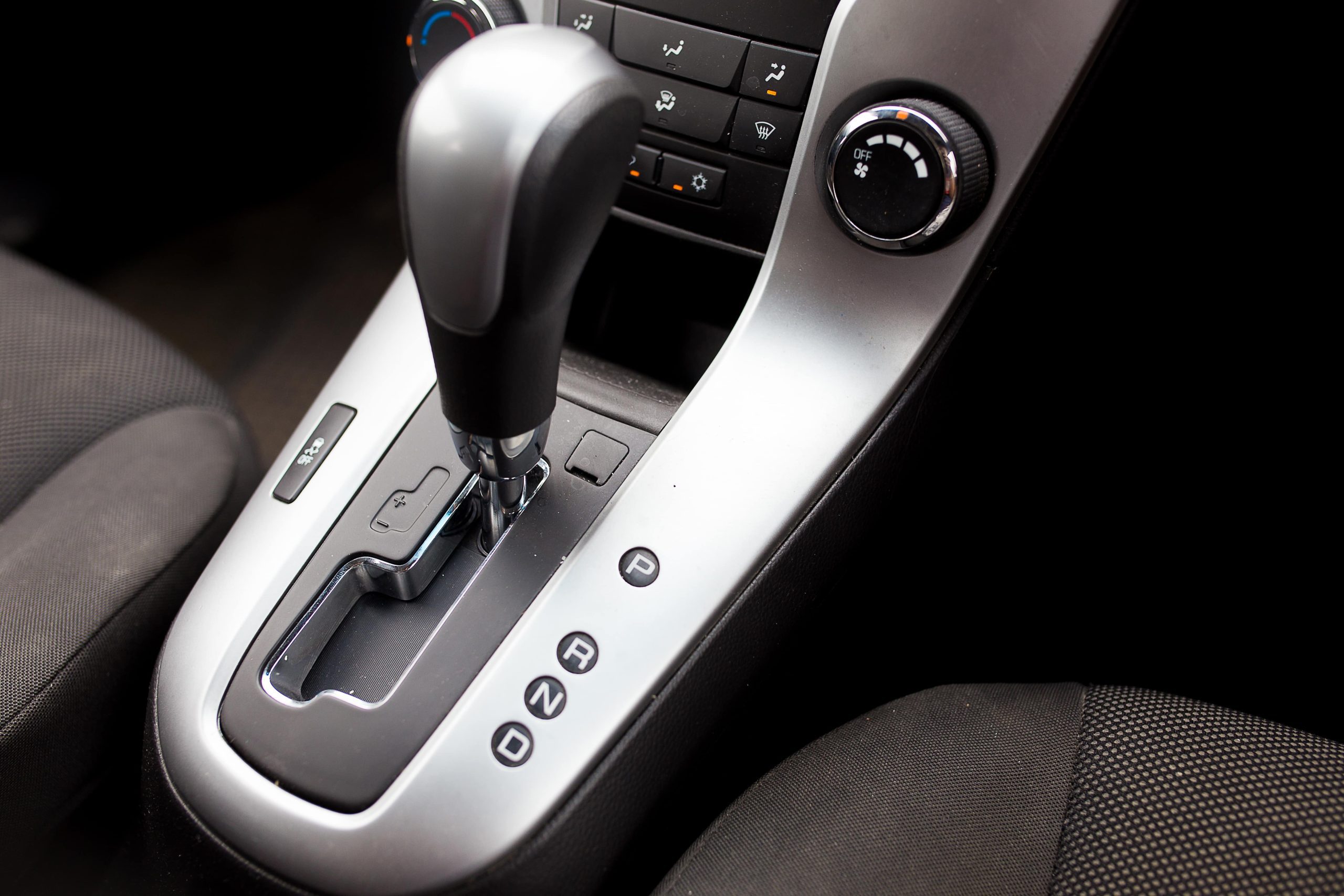
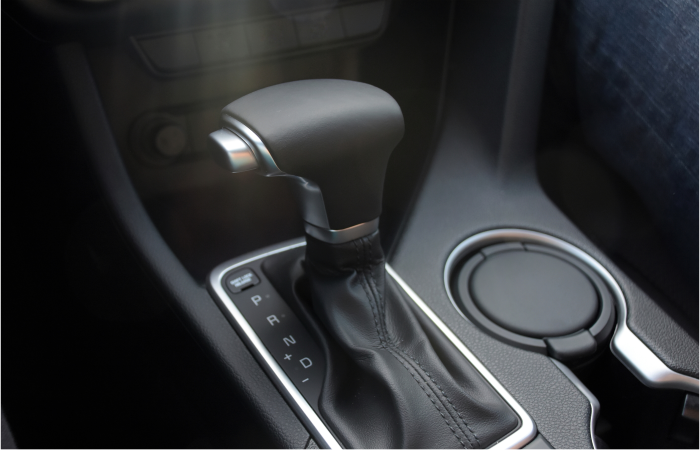
Most automatics use the following gear selector positions:
- P (Park) — locks the transmission when stationary
- R (Reverse) — moves the car backwards
- N (Neutral) — disengages the gearbox from the engine
- D (Drive) — engages forward motion and shifts gears automatically
Some vehicles also have S (Sport) or L (Low) modes for specific driving conditions.
How Is an Automatic Car Different From a Manual?
In a manual car, the driver controls the clutch pedal and gear lever to shift through gears themselves. In an automatic, the gearbox handles all of that. The driving experience is simpler in an automatic, but that simplicity comes with a trade-off: pass your test in an automatic, and your licence only covers automatic vehicles.
Types of Automatic Gearbox
Not all automatics work the same way. There are four main types:
Conventional Automatic (Torque Converter)
The most common type. Uses hydraulic fluid to transmit power and is known for smooth gear changes. Slightly less fuel-efficient than newer alternatives, but widely available across most car manufacturers.
CVT (Continuously Variable Transmission)
Found in many hybrids. Uses a belt-and-pulley system rather than traditional fixed gears, giving seamless acceleration. Can sound louder under hard acceleration.
Dual-Clutch Automatic
Uses two clutches to pre-select the next gear, making changes faster and more efficient. Common in performance cars and sportier models such as those using Volkswagen’s DSG system. Combines the economy of a manual with the ease of an automatic.
Automated Manual Gearbox
Mechanically similar to a manual but with computerised gear changes. Generally found in more affordable vehicles. Can feel slightly jerky compared to the other types.
How to Drive an Automatic Car
Starting
- Sit in the driver’s seat and fasten your seatbelt
- Press the brake pedal (the left of the two pedals)
- Start the engine via the key or push-button
- With your foot still on the brake, move the selector from P to D (or R for reversing)
- Release the handbrake
- Ease your foot off the brake — the car will creep forward
- Apply the accelerator to build speed smoothly
Stopping
- Ease off the accelerator
- Apply the brake to slow down and come to a stop
- Keep your foot on the brake and move the selector back to P
- Apply the handbrake and switch off the engine
The Benefits of Automatic Driving Lessons
Easier to get started
Without clutch control to worry about, learners can focus on the road rather than the mechanics of the car. For anyone who finds the coordination of clutch, accelerator, and gear changes tricky, automatics remove a significant source of early frustration.
Smoother ride for passengers
Automatic cars remove the risk of stalling and eliminate jerky gear changes. If you plan to drive passengers regularly or spend a lot of time in stop-start city traffic, this makes a real difference to the experience for everyone in the car.
Better suited to some medical conditions and disabilities
For drivers with physical disabilities or certain medical conditions that limit movement, automatic transmission is often the more accessible route to getting on the road. The absence of a clutch pedal significantly reduces the physical demands of driving.
A natural fit for electric vehicles
Electric cars don’t have traditional gearboxes. If you know your first or next car will be electric (increasingly likely given the direction of the market), learning in an automatic gives you a driving experience closer to what you’ll be doing day-to-day.
The Downsides of Learning in an Automatic
Your licence only covers automatics
This is the biggest limitation. Pass your test in an automatic, and you cannot legally drive a manual car without taking and passing a further test. A manual licence covers both. If you’re not certain you’ll stick exclusively to automatic cars, that’s worth thinking about carefully.
Cars cost more to buy and run
Automatic cars generally carry a higher purchase price than their manual equivalents, and insurance can be around 10 to 20% more expensive. Servicing and repairs on automatic gearboxes also tend to cost more due to the mechanical complexity involved.
Less driver engagement
Some drivers find that automatics feel more passive. The hands-on involvement of a manual appeals to people who want to feel more connected to the car. If that matters to you, it’s worth factoring in.
When Does an Automatic Make Sense?
Stop-start city driving
Constant gear changes in heavy traffic add up, and can cause fatigue for a lot of drivers. In an automatic, that workload disappears, reducing fatigue on long city journeys.
Hill starts
Hill starts in a manual require careful clutch and accelerator control to avoid rolling backwards. In an automatic, the car manages this for you, which removes one of the more anxiety-inducing parts of early driving.
Driving in adverse weather
In icy or snowy conditions, automatic transmissions manage torque delivery more smoothly, which helps reduce wheelspin. Some vehicles with winter modes use this to real advantage.
FAQs About Automatic Driving Lessons
Is it easier to pass your driving test in an automatic?
Not necessarily. DVSA data for 2024/25 shows the automatic test pass rate was 43.9%, compared to 48.5% for manual in 2024/25. Removing clutch control may simplify things for some learners, but it doesn’t automatically translate to a higher pass rate.
Can I drive a manual car with an automatic licence?
No. An automatic licence only permits you to drive automatic vehicles. To drive a manual, you would need to take and pass a separate practical test in a manual car.
How many lessons does it take to pass in an automatic?
The average is around 45 hours of lessons, which is similar to manual. Everyone learns at a different pace, so some people need fewer lessons and some need more. What matters is that you’re ready when you book your test, not how quickly you get there.
Is it cheaper to learn in an automatic?
Not always. Automatic driving lessons can carry a slightly higher hourly rate, and automatic cars cost more to buy and insure after you pass. You might need fewer lessons in total, but the overall cost picture is more mixed than it first appears.
Can I switch from automatic to manual lessons?
Yes, you can switch at any point before taking your test. You’ll need to build clutch control and gear-changing skills from scratch, so it’s worth starting with manual if you think you might want a full licence down the line.
Who is best suited to automatic driving lessons?
Automatic lessons tend to work well for nervous drivers, people with physical disabilities or medical conditions affecting movement, those who plan to drive electric vehicles, and anyone who knows they’ll only ever drive automatics. If none of those apply, a manual licence gives you more flexibility.
Book Automatic Driving Lessons With Bill Plant
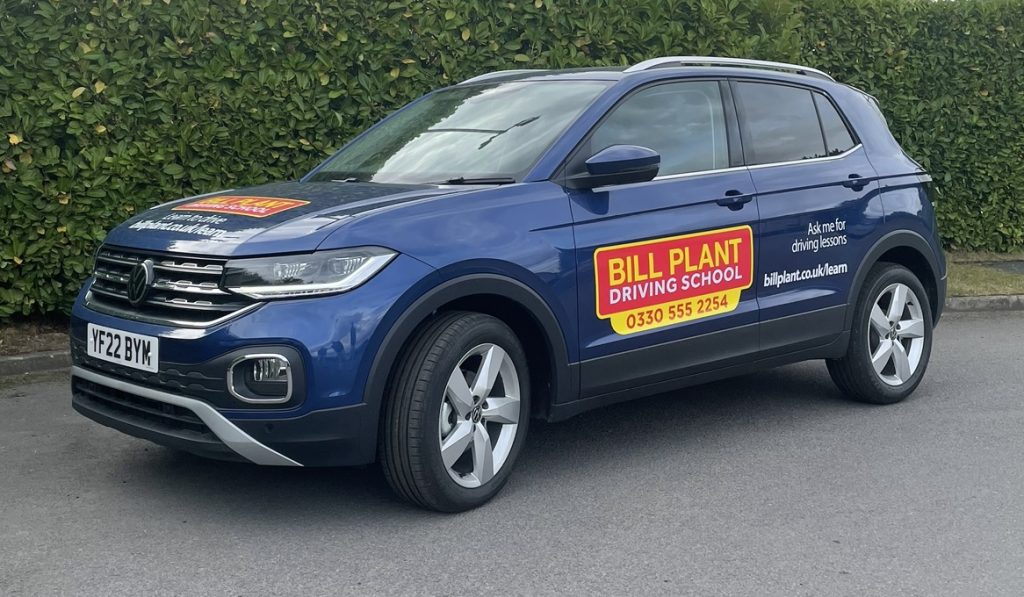
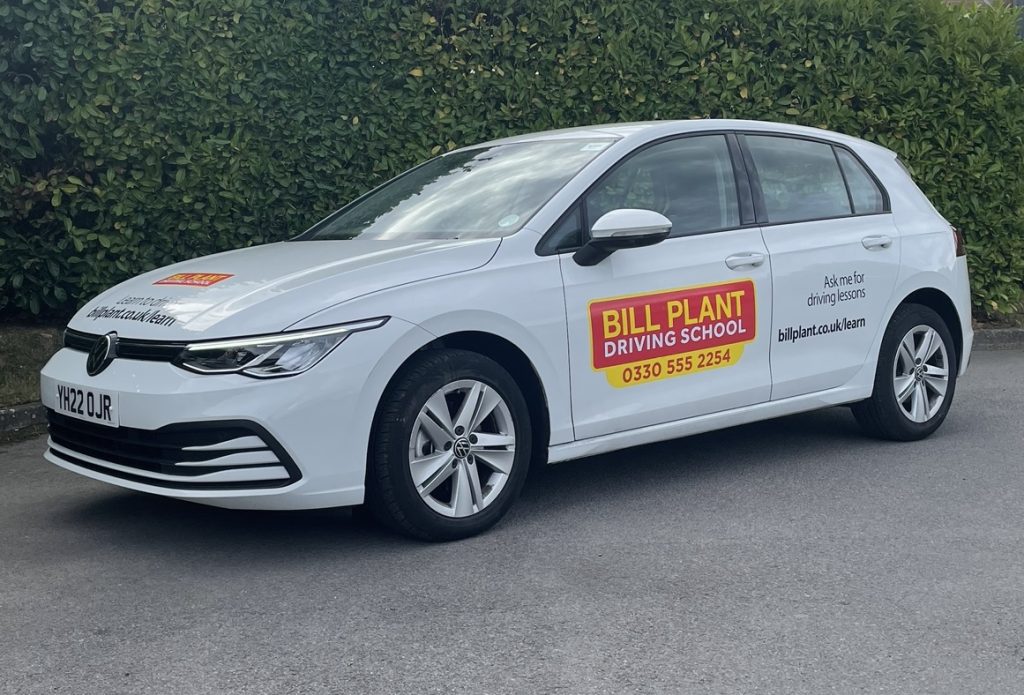
Bill Plant Driving School has been voted the 5x National Driving School of the Year, with over 1,000 instructors across the UK. We offer automatic driving lessons to suit learners of all levels, whether you’re booking your first lesson or picking up after a break.
Find a driving instructor near you and get started today.